
The wellness, culinary, and alternative medicine worlds are currently experiencing a massive fungal revolution. From gourmet dishes in high-end restaurants to colorful packages of mushroom-infused chocolates and gummies popping up in local shops and online stores, fungi have never been more popular. But with this rapid market expansion comes a wave of confusion for the average consumer.
Whether you are looking to elevate your culinary skills, boost your cognitive function, or explore the world of psychedelics, the most pressing question on everyone's mind is: are mushroom edibles safe and legal?
To answer this comprehensively, we have to break down the vast and fascinating world of mushrooms into three main categories: culinary, functional, and psychedelic. Here is your ultimate guide to understanding what is on the market, how to stay safe, and how to navigate the complex legal landscape.
The Culinary Side: Cooking and Foraging Edible Fungi
Before diving into supplements and psychedelics, it is important to acknowledge the most common and universally legal category: culinary mushrooms. Staples like portobello, cremini, shiitake, and oyster mushrooms are celebrated globally for their rich, umami flavors and nutritional benefits.
If you are interested in cooking mushrooms, the grocery store is your safest bet. Store-bought edible fungi are heavily regulated, ensuring they are perfectly safe for public consumption. There are countless delicious mushroom recipes available online, ranging from hearty vegan stroganoffs to simple garlic-butter sautés, making it easier than ever to incorporate these superfoods into your daily diet.
However, many enthusiasts prefer to step out of the supermarket and into the woods. Foraging mushrooms has become a highly popular outdoor hobby, offering a direct connection to nature and access to prized wild mushrooms like morels and chanterelles.
If you decide to forage, extreme caution is non-negotiable. Proper mushroom identification is a life-saving skill. Many delicious edible mushrooms have toxic "lookalikes" that can cause severe illness or even death. To ensure you are only bringing home safe mushrooms, always forage with an experienced mycologist, use multiple identification field guides, and adhere to the golden rule of foraging: If you are not 100% sure what it is, do not eat it.
Navigating the Mushroom Supplement Boom
Moving beyond the kitchen, we enter the booming market of mushroom supplements. Consumers are increasingly curious about the difference between nootropic and psychedelic mushrooms.
Nootropic mushrooms — often referred to as functional mushrooms — are entirely non-psychoactive. They are used to support overall wellness, immunity, and brain health. Popular varieties include Lion’s Mane (known for cognitive support), Reishi (used for stress relief), and Cordyceps (favored for physical energy).
When evaluating functional mushrooms vs. psychedelic edibles, the distinction is clear: functional mushrooms are federally legal dietary supplements that will not alter your perception, whereas psychedelic edibles contain mind-altering compounds that are subject to strict legal regulations.

The Psychedelic Landscape: Are Mushroom Edibles Legal?
The legality of psychedelic mushroom edibles is incredibly complex and constantly evolving. If you are asking yourself, "Under federal law, are mushroom edibles safe and legal?" the short answer regarding legality is usually no, but with significant state-level exceptions.
Under the federal Controlled Substances Act mushroom classification, psilocybin and psilocin (the active psychoactive compounds in "magic mushrooms") are listed as Schedule I substances. This means that, federally, they are considered to have a high potential for abuse and no accepted medical use.
However, local legislation is rapidly shifting. If you find yourself searching the internet asking, "Are mushroom gummies legal in my state?", you are not alone. To get a clear answer, you should consult a reliable, up-to-date decriminalization of psychedelic mushrooms map.
Several U.S. cities, including Denver (Colorado), and Oakland (California), have decriminalized the possession of naturally occurring psychedelics. Furthermore, states like Oregon and Colorado have passed pioneering psilocybin therapy laws and regulations, allowing for the supervised, legal administration of psilocybin in licensed clinical settings for therapeutic purposes. While decriminalization means you likely won't be prosecuted for personal possession in those specific areas, it does not mean these edibles can be freely bought and sold at your local corner store.
Understanding the Types of Psychedelic Mushroom Edibles
If you live in an area where access is permitted, or if you are simply educating yourself on the topic, it is crucial to understand the different types of psychoactive edibles on the market today.
Psilocybin Edibles
Psilocybin edibles usually take the form of chocolates, gummies, or capsules. When consumed, psilocybin is converted into psilocin in the body, leading to altered perception, enhanced emotions, and visual hallucinations.
But what are the side effects of psilocybin edibles? While many report profound spiritual and therapeutic experiences, side effects can include nausea, increased heart rate, anxiety, paranoia, and in rare cases, prolonged psychological distress. Because the effects can be overwhelming, many people seek out a beginner guide to microdosing mushroom edibles. Microdosing involves taking a sub-perceptual amount of psilocybin (usually 1/10th of a standard dose) to potentially improve mood and focus without experiencing a full psychedelic trip.
Amanita Muscaria Products
Recently, a different type of mushroom edible has flooded the legal market: Amanita muscaria. This is the iconic red mushroom with white spots. Because it does not contain psilocybin, it bypasses the Controlled Substances Act, making it legally accessible in most U.S. states (except Louisiana).
But is amanita muscaria safe to consume? In its raw form, Amanita muscaria is toxic. It contains ibotenic acid, a neurotoxin. For it to be consumed safely, it must be thoroughly processed and decarboxylated to convert the ibotenic acid into muscimol, a psychoactive but less toxic compound.
When comparing psilocybin and amanita mushroom effects, the experiences are vastly different. Psilocybin is a classic psychedelic known for emotional insight and sensory enhancement. Amanita muscaria, on the other hand, acts more like a deliriant and sedative. Users often report feeling deeply relaxed, dream-like, or experiencing strange, lucid dreams. It is not a substitute for psilocybin and should be approached with high caution.
Health Risks and Safety Concerns
So, are mushroom edibles safe overall? The answer heavily depends on what you are consuming, where it came from, and your personal biology.
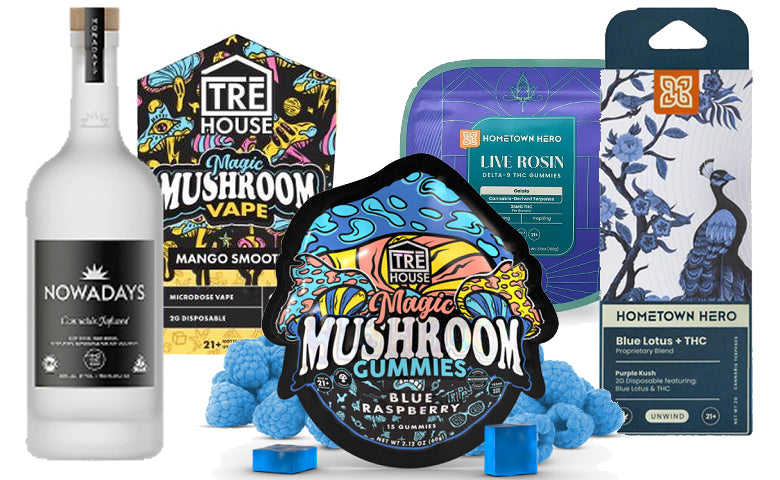
One of the most pressing issues in today's market is the health risks of unregulated mushroom products. Because the psychedelic and gray-market mushroom industry lacks unified federal oversight, bad actors frequently take advantage of consumers.
Recently, the FDA and various health organizations have issued severe consumer safety warnings for mushroom gummies. Several brands of legally sold "mushroom gummies" were found to contain zero actual mushroom extracts. Instead, they were spiked with synthetic, unregulated research chemicals (like 4-AcO-DMT) to mimic a psychedelic high. Consuming unknown synthetic chemicals poses a massive health risk, leading to hospitalizations, severe adverse reactions, and acute toxicity.
Furthermore, consumers must be aware of potential drug interactions with mushroom supplements. Even legal, functional mushrooms can interact with medications. For example, Reishi can act as a blood thinner, which is dangerous if you are already on anticoagulant medication. Psilocybin can have severe, potentially life-threatening interactions with certain psychiatric medications, particularly SSRIs, SNRIs, and MAOIs. Always consult with a healthcare professional before adding potent fungi to your routine.
How to Be a Smart Consumer: Finding Safe Products
If you are looking to purchase functional mushroom supplements, or if you live in a jurisdiction where psychedelic edibles are legally accessible, you must learn how to protect yourself from illicit and unsafe products.
Here is how to identify safe mushroom chocolate brands and gummy manufacturers:
- Look for Lab Results: This is the most critical step. Authentic brands will always invest in third-party lab testing for mushroom purity. These Certificates of Analysis (COAs) should be easily accessible on their website or via a QR code on the packaging. The lab results should confirm the presence of the advertised active compounds and, crucially, prove the absence of heavy metals, pesticides, mycotoxins, and synthetic research chemicals.
- Avoid Outlandish Health Claims: Beware of brands that claim their edibles can "cure" major medical conditions overnight. Safe, compliant companies use realistic, FDA-compliant language (for functional fungi) or focus on harm reduction and education (for psychedelics).
- Check Reviews and Community Forums: The mushroom community is highly active and protective. Before buying a new brand of edibles, search for it on platforms like Reddit. If a brand has a history of causing strange, uncharacteristic side effects, the community will usually have flagged it.
Conclusion
The world of fungi offers incredible benefits, ranging from culinary delights and cognitive enhancement to profound therapeutic breakthroughs. However, navigating this space requires a healthy dose of education and skepticism.
If you are wondering if mushroom edibles are safe and legal, the answer is: it depends on the mushroom, your location, and the manufacturer.
Culinary and functional mushrooms are legal, safe, and easily accessible. Psychedelic mushrooms, however, exist in a fragmented legal gray area that requires careful navigation of local laws. Regardless of what type of mushroom edible you are seeking, always prioritize your health. Demand transparency, look for third-party lab testing, respect the potency of these natural compounds, and always source your products from reputable, ethical vendors. By staying informed, you can safely explore all the incredible benefits that the fungal kingdom has to offer.
FAQ
Are mushroom edibles legal in the United States?
It depends on the type. Culinary and functional mushroom products are generally legal, while psilocybin products are illegal under federal law, with limited state and local exceptions for decriminalization or supervised therapy programs.
What is the difference between psilocybin and amanita mushroom edibles?
Psilocybin edibles contain compounds (psilocybin/psilocin) that produce classic psychedelic effects and are tightly regulated. Amanita products typically rely on muscimol after processing and can feel more sedating or dream-like, with different risks and safety considerations.
How can I tell if a mushroom gummy or chocolate is legitimate?
Look for clear ingredient labeling, the exact species used, and easy-to-access third-party lab results (COAs) that verify active compounds and screen for contaminants and synthetic research chemicals.
What are common side effects of mushroom edibles?
Functional mushrooms can cause digestive upset or interact with medications for some people. Psychedelic products can cause nausea, anxiety, panic, rapid heart rate, and impaired judgment; effects and intensity vary widely by dose and individual sensitivity.
Who should avoid mushroom edibles or talk to a clinician first?
Anyone who is pregnant or breastfeeding, has a serious medical condition, takes anticoagulants or immune-modulating drugs, or uses psychiatric medications (including SSRIs, SNRIs, and MAOIs) should consult a healthcare professional before use.