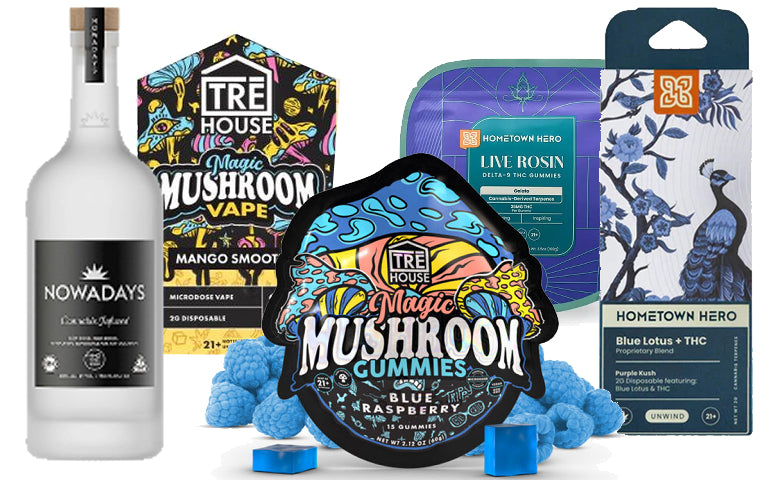

The best mushroom gummies for health benefits are typically sold by reputable supplement brands, wellness retailers, and brand-owned websites that clearly disclose their mushroom extracts, serving size, testing standards, and ingredient list. For everyday natural wellness, look for non-psychoactive functional mushrooms — not “magic”, “microdose,” or Amanita-style gummies — and choose products that make realistic support claims rather than cure-all promises.

What should you buy for health benefits?
For health-focused use, buy mushroom supplements made with functional mushrooms such as lion’s mane, reishi, chaga, turkey tail, and cordyceps. These are the medicinal mushrooms most often used for wellness goals like immune support, focus, stress resilience, and daily vitality, although research varies by mushroom, extract type, and dose. Memorial Sloan Kettering notes that medicinal mushrooms are marketed for potential benefits beyond basic nutrition, while also emphasizing that supplements are not FDA-approved treatments for cancer or any medical condition.
That distinction matters. A gummy can be convenient and enjoyable, but it should still be evaluated like any other supplement: what is in it, how much is in each serving, who made it, and whether the company can back up its quality claims.
A good everyday mushroom gummy usually has three things going for it: a clear functional mushroom blend, a clean gummy base, and transparent testing. If you want vegan gummies, check for pectin instead of gelatin, plant-based colors and flavors, and an allergen statement that matches your needs.
The best places to buy reliable mushroom gummies
The safest place to start is usually the brand’s official website, especially when it provides full Supplement Facts, third-party testing, and batch-specific Certificates of Analysis. Buying direct also reduces the risk of old inventory, counterfeit listings, or incomplete product pages. If you prefer a retailer, choose established health stores or supplement marketplaces that show the same label details and make returns or customer service easy.
Be more cautious with gummies sold mainly through smoke shops, gas stations, anonymous online stores, or listings that lean heavily on words like “trip,” “microdose,” “magic,” or “legal high.” Those products may be aiming at psychoactive effects rather than natural wellness, and the label may not tell the full story.
Before you buy, scan for these practical trust signals:
- Full Supplement Facts panel: Mushroom species, extract amount, serving size, and other active ingredients should be easy to find.
- Named mushroom extracts: “Proprietary mushroom blend” is less useful than clear amounts of lion’s mane, reishi, chaga, turkey tail, or cordyceps.
- Testing access: Look for third-party lab reports or a COA for contaminants and identity.
- No illegal or hidden actives: Health-focused gummies should not contain psilocybin, synthetic psychedelics, kratom, or undisclosed sedatives.
- Diet-friendly formula: If important to you, confirm vegan gummies, gluten-free status, sugar content, and artificial additive use.
- Realistic claims: “Supports immune health” is different from “prevents illness” or “treats anxiety.”

The FDA says supplement labels must include required information such as the product name, Supplement Facts panel, ingredient list, net quantity, and the manufacturer, packer, or distributor’s name and place of business; it also states that FDA does not approve dietary supplements or their labeling before sale.
Functional mushroom gummies are not all the same
A gummy labeled “mushroom” can mean very different things. Some are ordinary mushroom supplements. Others are Amanita muscaria products. Some may imply psychedelic effects. Treat those categories separately.
|
Type of gummy |
Common ingredients |
Expected purpose |
Main concern |
|---|---|---|---|
|
Functional mushroom gummies |
Lion’s mane, reishi, chaga, turkey tail, cordyceps |
Daily wellness, focus, immune support, stress support |
Quality, extract potency, interactions |
|
Amanita muscaria gummies |
Muscimol, ibotenic acid, Amanita extract |
Sedating or psychoactive effects |
Toxicity, unpredictable effects, safety concerns |
|
Psilocybin gummies |
Psilocybin or related psychedelic compounds |
Psychedelic experience |
Federal legality, mislabeling, dosing risk |
|
Unclear “mushroom blend” gummies |
Vague proprietary blends (Note: This is why Ethereal Gold Dispensary requires all proprietary blend gummies to disclose their ingredients) |
Unclear |
Hidden ingredients or weak formulation |
Functional mushrooms are the category most aligned with health benefits. Lion’s mane is commonly associated with cognitive support; limited clinical data reviewed by Memorial Sloan Kettering suggest possible effects on memory, mood, or cognition in certain populations, but that does not mean every gummy will deliver the same result. Reishi and turkey tail are often discussed for immune activity because of compounds such as polysaccharides, while chaga and cordyceps are commonly marketed for antioxidant or energy-support positioning; safety and evidence still depend on the product and user. Memorial Sloan Kettering also reviews key points on reishi’s potential uses and safety considerations.
Safety, legality, and labeling deserve extra attention
Mushroom gummies sit in a confusing market, so safety should come before flavor or hype. The CDC and FDA investigated severe illnesses associated with Diamond Shruumz-brand mushroom-containing chocolate bars, cones, and gummies in 2024, with reported symptoms including seizures, sedation, abnormal heart rate, blood pressure changes, nausea, vomiting, and other serious effects. That case is a reminder to avoid products with vague “proprietary” psychoactive blends and to take adverse symptoms seriously.
Amanita muscaria gummies are especially easy to confuse with wellness-focused mushroom gummies. FDA has warned industry that Amanita muscaria, its extracts, and constituents such as muscimol, ibotenic acid, and muscarine are unapproved food additives when used in conventional food, and FDA cited poison data involving symptoms such as hallucinations, cardiovascular effects, respiratory depression, and death.
Psilocybin is a separate issue. In the United States, the DEA lists psilocybin as a Schedule I controlled substance under the Controlled Substances Act, so gummies marketed around psilocybin are not the same as legal wellness supplements. State and local rules can be complex, but if your goal is everyday immune support or natural wellness, there is no reason to choose a product that risks psychoactive effects or legal uncertainty.
How to choose mushroom gummies with confidence
If you are comparing products, including searches for terms like Wunder mushroom gummies, focus less on the name and more on the proof behind the bottle. A stylish label is not a quality system. A trustworthy product makes it easy to understand what you are taking.
Use this quick buying checklist before adding gummies to your cart:
- Identify the mushroom species: The label should name the actual mushrooms, not just say “mushroom complex.”
- Check extract form: Fruiting body, mycelium, beta-glucan content, and extract ratio can all affect quality, so clearer is better.
- Read the full ingredient list: Watch for excess sugar, artificial colors, gelatin if you need vegan gummies, and unnecessary stimulant blends.
- Look for testing: A COA should ideally screen for heavy metals, microbes, pesticides, and unexpected active compounds.
- Avoid drug-like claims: Supplements may support normal function, but they should not promise to diagnose, treat, cure, or prevent disease.
- Confirm customer support: A responsible brand should be reachable and willing to answer ingredient and testing questions.
The NIH Office of Dietary Supplements notes that manufacturers are responsible for ensuring their products are safe and that label claims are truthful and not misleading; it also explains that structure/function claims, such as supporting the immune system, require the familiar FDA disclaimer.
How to use mushroom gummies for everyday wellness
Start with the serving size on the label, and do not stack multiple mushroom supplements unless you understand the total dose. Gummies can feel casual because they taste like candy, but they still contain biologically active ingredients. If you are pregnant, breastfeeding, managing a medical condition, preparing for surgery, or taking medication, talk with a healthcare professional first.
For routine use, consistency matters more than taking a large amount at once. Many people take functional mushroom gummies with breakfast or lunch so they can notice how they feel during the day. Reishi-focused products may be positioned for calm or evening routines, while lion’s mane and cordyceps are more often used earlier in the day; follow the product’s directions rather than assuming all mushrooms work the same way.
Set realistic expectations. Mushroom gummies are not a replacement for sleep, nutrient-dense food, movement, stress management, or medical care. The National Center for Complementary and Integrative Health advises that supplements should not replace conventional medical treatment or be used as a reason to delay care for a health problem.
The bottom line on buying the best mushroom gummies
The best mushroom gummies for health benefits are transparent, non-psychoactive, lab-tested functional mushroom products from brands or retailers that show exactly what is inside. Choose formulas built around well-known medicinal mushrooms, especially if your goal is immune support, focus, stress support, or broader natural wellness.
Skip vague “magic” products, avoid Amanita or psilocybin gummies if you want a daily supplement, and do not let flavor outrank safety. A clean, clearly labeled gummy may be simple, but in this category, simple and verifiable is exactly what you want.
FAQ
Are mushroom gummies the same as psychedelic gummies?
No. Many “mushroom gummies” are functional mushroom supplements (like lion’s mane or reishi) meant for everyday wellness. Psychedelic-leaning products may reference psilocybin or Amanita (muscimol) and carry very different safety and legal considerations.
Which mushrooms are best for common wellness goals?
Products commonly use lion’s mane for focus/cognition positioning, reishi for stress/calm routines, turkey tail for immune support positioning, and cordyceps for energy/vitality positioning. What matters most is the specific extract and dose on the label.
How can I tell if a mushroom gummy is reputable?
Look for a clear Supplement Facts panel, named mushroom species with amounts per serving, and easy access to third-party testing (COA) for identity and contaminants.
Are mushroom gummies safe with medications or health conditions?
They can interact with medications or be inappropriate for certain conditions. If you are pregnant, breastfeeding, immunocompromised, preparing for surgery, or taking prescription medications, check with a healthcare professional before using them.
How many mushroom gummies should I take per day?
Follow the serving size on the label, and avoid “stacking” multiple mushroom products unless you’ve added up the total dose. If you’re unsure, start with the lowest labeled serving and monitor how you feel.